Flashback: The Portuguese Legacy and the Identity of Warri
April 14, 2026 | News
The narrative that other tribes are incapable of leading institutions like the NDDC is a fallacy
Flashback: The Portuguese Legacy and the Identity of Warri
-By Zik Gbemre
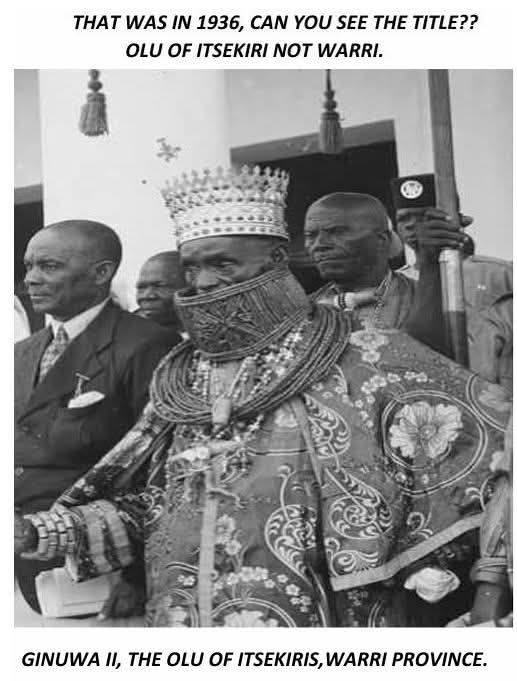
The historical narrative of the Itsekiri monarchy often glosses over the complex, and some argue contradictory, lineage of its past traditional rulers. Central to this debate is the figure of Dom Domingos, a traditional ruler whose very name and heritage spark intense questions about the authenticity of traditional African leadership.
The Mulatto Monarch: A Question of Lineage
History records that Dom Domingos was a Portuguese mulatto, the product of unions between European explorers and local women. This leads to a fundamental cultural paradox: How can a traditional African ruler bear a foreign title and name? A traditional ruler is expected to be the custodian of indigenous culture, yet Dom Domingos carried a name and an identity rooted in Portugal. This raises the critical question: was he truly an Itsekiri monarch, or a Portuguese figurehead installed over a people? Critics argue that his reign represents a historical anomaly a "rejected Portuguese mulatto" placed on a throne that should have remained strictly indigenous.
The Socio-Political Reality of Itsekiri Land
Beyond the palace walls, the contemporary reality of the Itsekiri people reflects a troubling disconnect between their claims and their homeland. While much is made of the oil wealth in Itsekiri territories, a stark contrast exists:
The Creek Abandonment: Many Itsekiri natives have abandoned their ancestral homes in the Benin River and the creeks, opting to live in major cities while their villages slip into extinction.
The Warri Dispute: The claim that Warri Township is Itsekiri land is a point of heavy contention. Historically and geographically, areas like Agbarha-Ame and Okere-Urhobo are the ancestral homes of the Urhobo people.
Developmental Stagnation: While the Ijaw are actively developing their communities within the Warri South-West creeks, many Itsekiri "towns" exist primarily on paper, lacking a physical presence or a settled population.
Oil, Politics, and the Delta State Landscape
The narrative that other tribes are incapable of leading institutions like the NDDC is a fallacy. Across Delta State excluding the Anioma region the Urhobo, Ijaw, Isoko, and Ndokwa nations are all significant producers of crude oil and natural gas.
Key Fact: The Utorogu gas plant, which holds the largest natural gas reserves in the region, sits in the heart of Urhoboland, not Itsekiriland.
A Call for Introspection
The Itsekiri must confront the "bitter truth." To maintain relevance and preserve their heritage, the focus must shift from territorial disputes in urban centers back to the development of their actual ancestral hamlets in the creeks.
The Olu of Itsekiri is the monarch of the Itsekiri people, but that sovereignty does not extend to the lands of the Okere-Urhobo and Agbarha-Ame. It is time to stop dreaming of a vast urban empire and start rebuilding the communities that define the Itsekiri identity before they vanish entirely.
Zik Gbemre
April 14, 2026
We Mobilize Others To Fight For Individual Causes As If Those Were Our Causes
-By Zik Gbemre
The historical narrative of the Itsekiri monarchy often glosses over the complex, and some argue contradictory, lineage of its past traditional rulers. Central to this debate is the figure of Dom Domingos, a traditional ruler whose very name and heritage spark intense questions about the authenticity of traditional African leadership.
The Mulatto Monarch: A Question of Lineage
History records that Dom Domingos was a Portuguese mulatto, the product of unions between European explorers and local women. This leads to a fundamental cultural paradox: How can a traditional African ruler bear a foreign title and name? A traditional ruler is expected to be the custodian of indigenous culture, yet Dom Domingos carried a name and an identity rooted in Portugal. This raises the critical question: was he truly an Itsekiri monarch, or a Portuguese figurehead installed over a people? Critics argue that his reign represents a historical anomaly a "rejected Portuguese mulatto" placed on a throne that should have remained strictly indigenous.
The Socio-Political Reality of Itsekiri Land
Beyond the palace walls, the contemporary reality of the Itsekiri people reflects a troubling disconnect between their claims and their homeland. While much is made of the oil wealth in Itsekiri territories, a stark contrast exists:
The Creek Abandonment: Many Itsekiri natives have abandoned their ancestral homes in the Benin River and the creeks, opting to live in major cities while their villages slip into extinction.
The Warri Dispute: The claim that Warri Township is Itsekiri land is a point of heavy contention. Historically and geographically, areas like Agbarha-Ame and Okere-Urhobo are the ancestral homes of the Urhobo people.
Developmental Stagnation: While the Ijaw are actively developing their communities within the Warri South-West creeks, many Itsekiri "towns" exist primarily on paper, lacking a physical presence or a settled population.
Oil, Politics, and the Delta State Landscape
The narrative that other tribes are incapable of leading institutions like the NDDC is a fallacy. Across Delta State excluding the Anioma region the Urhobo, Ijaw, Isoko, and Ndokwa nations are all significant producers of crude oil and natural gas.
Key Fact: The Utorogu gas plant, which holds the largest natural gas reserves in the region, sits in the heart of Urhoboland, not Itsekiriland.
A Call for Introspection
The Itsekiri must confront the "bitter truth." To maintain relevance and preserve their heritage, the focus must shift from territorial disputes in urban centers back to the development of their actual ancestral hamlets in the creeks.
The Olu of Itsekiri is the monarch of the Itsekiri people, but that sovereignty does not extend to the lands of the Okere-Urhobo and Agbarha-Ame. It is time to stop dreaming of a vast urban empire and start rebuilding the communities that define the Itsekiri identity before they vanish entirely.
Zik Gbemre
April 14, 2026
We Mobilize Others To Fight For Individual Causes As If Those Were Our Causes